How the Noida-Greater Noida Corridor Is Reshaping Real Estate Growth
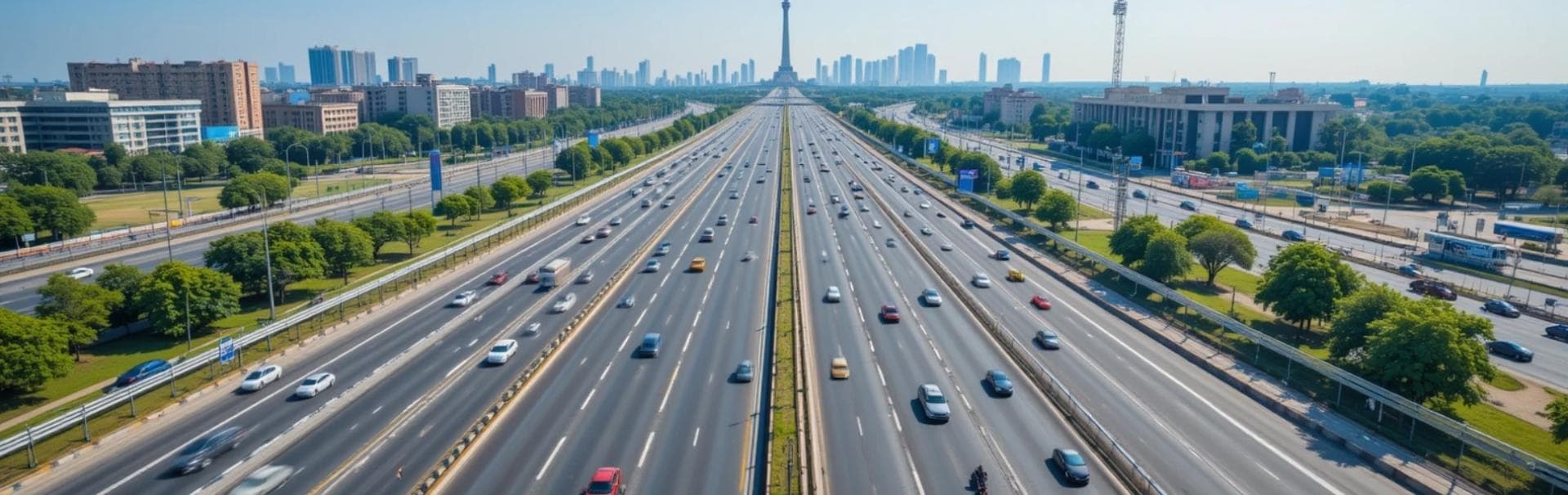
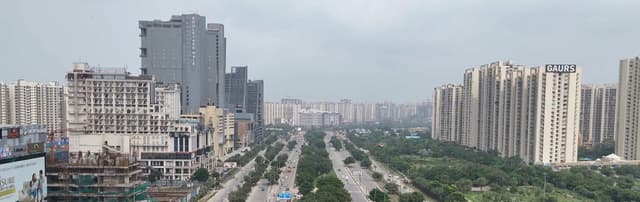
If you've driven along the Noida-Greater Noida Expressway in the last few years, you've probably noticed something: it doesn't look the same anymore. What used to be a fairly quiet stretch connecting two satellite cities has turned into one of the busiest, most talked-about real estate corridors in the National Capital Region.
Ask anyone shopping for a home or an investment property in Delhi NCR today, and there's a good chance Noida or Greater Noida comes up in the conversation. The reasons aren't hard to spot once you look closely — better roads, faster commutes, new business hubs, and a steady stream of infrastructure projects that keep raising property values year after year.
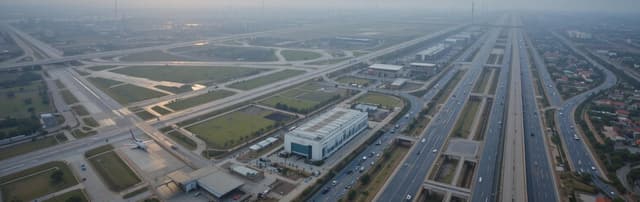
The Expressway isn't just a road — it's the backbone connecting two rapidly growing cities. Stretching roughly 24 kilometers, it links Noida's established sectors with Greater Noida's newer, more spacious developments, cutting travel time between the two to well under 30 minutes on a good day.
That kind of connectivity changes everything for real estate. Developers build where people can actually commute from, and buyers pay a premium for locations that save them time. The Expressway does both — it opens up land for development while keeping residents within easy reach of Delhi, Noida's business districts, and the upcoming Jewar airport corridor.
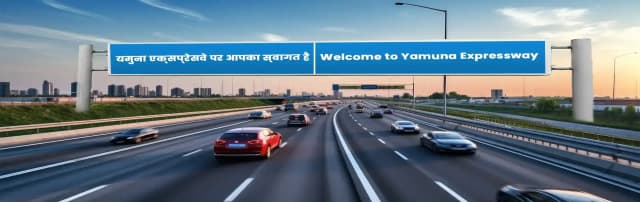
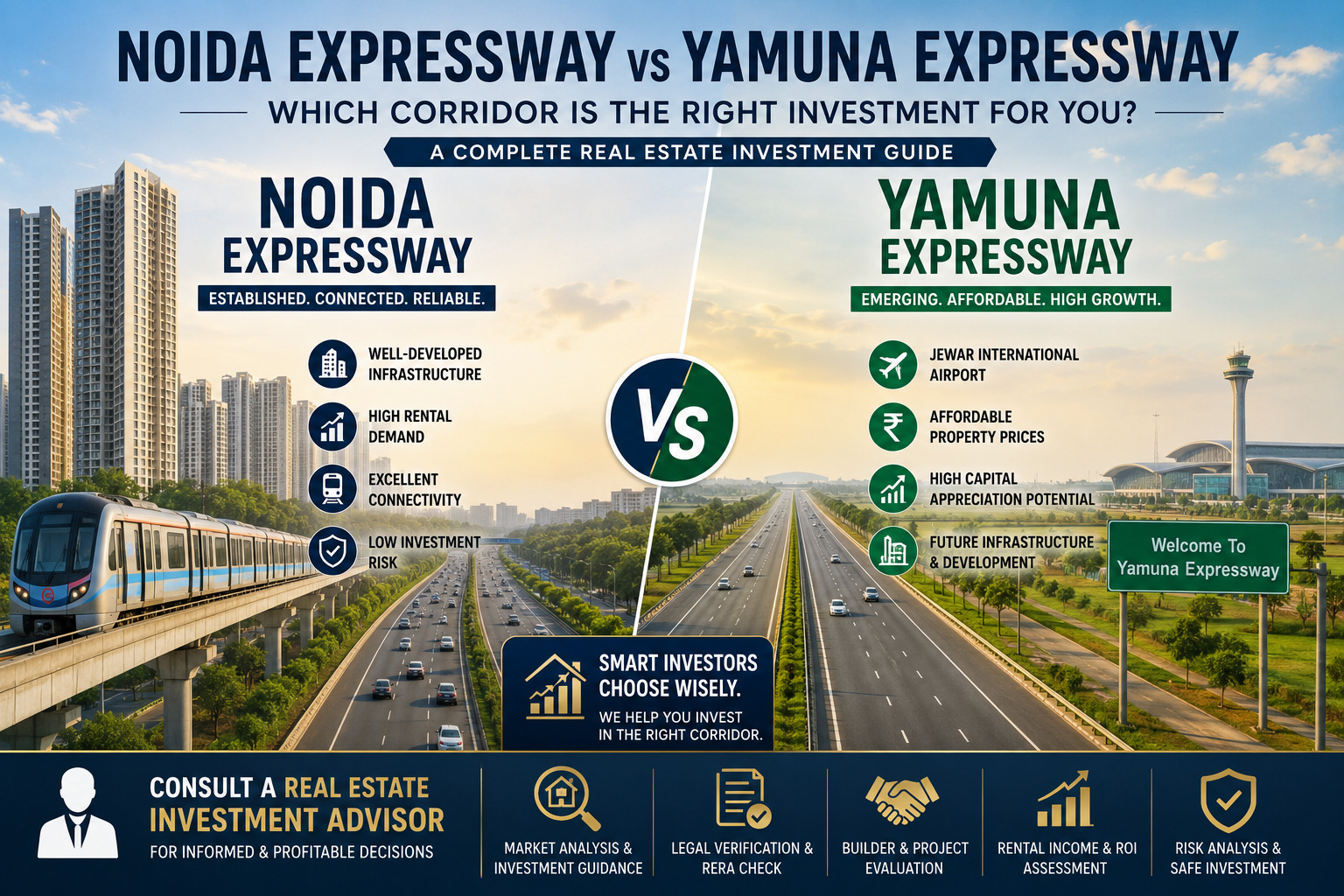
It's also worth noting that this corridor doesn't exist in isolation. It connects into a larger network that includes the Yamuna Expressway, which runs further south toward Agra and has become its own hotspot for residential and commercial projects, particularly around the Noida International Airport site.
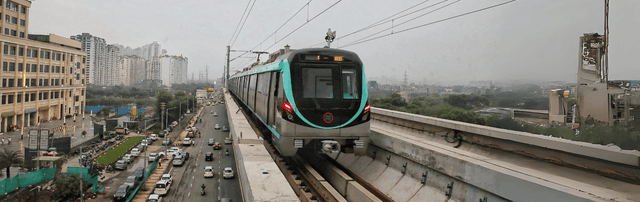
While the main Expressway gets most of the attention, the Noida-Greater Noida mini expressway plays an equally important role for local connectivity. This stretch primarily serves residents moving between sectors, offering an alternative route that eases congestion on the primary corridor during peak hours.
For homebuyers, this matters more than it might seem. Areas near the mini expressway often see steady appreciation simply because they offer easier day-to-day access without the traffic bottlenecks common on larger roads. Builders have picked up on this too, with several mid-range residential projects positioning themselves specifically around this quieter but well-connected route.
Every new flyover, underpass, or road-widening project along the Expressway adds value to nearby properties. Over the past several years, authorities have invested heavily in improving this stretch — adding better lighting, dedicated service lanes, and smoother interchanges. Each upgrade makes daily commuting easier, which in turn makes the surrounding sectors more attractive to buyers.
Noida's sectors closer to the Expressway, like Sector 62, 132, and 150, have become home to IT parks, corporate offices, and business centers. As more companies set up shop here, demand for nearby housing rises naturally. People want to live close to where they work, and that's pushing residential development further along the corridor toward Greater Noida.
It's impossible to talk about growth in this region without mentioning the upcoming Noida International Airport in Jewar. While it sits closer to the Yamuna Expressway, its ripple effect reaches the entire Noida-Greater Noida belt. Investors are betting that improved air connectivity will boost demand for housing, logistics parks, and hospitality projects all along this stretch, and property prices in several sectors have already started reflecting that optimism.
Compared to Delhi or Gurugram, property prices along the Greater Noida Expressway remain relatively accessible. Buyers get more space for their budget — larger apartments, better amenities, and often newer construction — without paying the premium that comes with more established markets. This affordability gap continues to pull first-time buyers and young families toward the corridor.
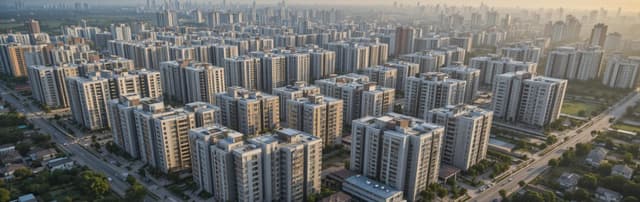
Residential projects along this corridor range from budget-friendly apartments to premium gated communities. Sectors like Techzone, Gaur City, and areas near the mini expressway have seen a steady rise in demand from families looking for a mix of affordability and connectivity. Many of these projects also emphasize green spaces and community amenities, which appeal to buyers moving out of denser city centers.
On the commercial side, the corridor has attracted retail complexes, office spaces, and mixed-use developments. As more residential population moves in, retail follows — malls, markets, and standalone commercial buildings are cropping up to serve the growing base of residents. This creates a natural cycle: more housing brings more commerce, and more commerce makes the area even more attractive for further housing.
Buying property along a growth corridor can be rewarding, but it's not without its considerations. Here's what's worth keeping in mind:
•Check project approvals and builder track record — verify RERA registration and past delivery timelines.
•Understand the timeline for infrastructure completion — some upgrades are still in progress.
•Compare price trends across sectors — prices can vary significantly even within a few kilometers.
•Think about resale and rental demand — areas closer to established IT hubs tend to hold demand better.
A: It combines strong connectivity to Noida, Delhi, and the upcoming Jewar airport with relatively affordable property prices compared to other NCR markets, making it attractive for both end-users and investors.
Q: How is the Yamuna Expressway different from the Greater Noida Expressway?
A: The Greater Noida Expressway connects Noida and Greater Noida directly, while the Yamuna Expressway extends further south toward the Noida International Airport and Agra, serving a different but complementary growth corridor.
Q: Is the Noida-Greater Noida mini expressway a good option for daily commuters?
A: Yes, it offers a less congested alternative for local travel between sectors, which is why several residential projects have positioned themselves near this route.
Q: Are property prices along this corridor expected to keep rising?
A: Given ongoing infrastructure development, IT hub expansion, and the Jewar airport project, most market indicators point toward continued, though gradual, price appreciation over the coming years.
Q: What type of buyers is this corridor best suited for?
A: It works well for first-time homebuyers seeking affordability, families wanting more space, and investors looking for long-term appreciation potential tied to infrastructure growth.
The residential Real Estate Buyer...Read more

Kalpataru Vista is a new premium...Read more

Change your lifestyle, change Your...Read more
Jewar Airport is an Noida International...Read more

Noida has become one of...Read more
Gurgaon‘s Golf Course...Read more
Connecting the corners of the...Read more
It's that time of the...Read more

Metaverse real estate is one...Read more

Are you looking for ways...Read more
Budget 2023 - The projects...Read more

The process of buying and...Read more

The Delhi–Mumbai Expressway is a 1,386 km...Read more

The commercial real estate sector...Read more

The Uttar Pradesh cricket association...Read more

Nestled in the lush greenery...Read more
Introduction
The Read more

Noida has rapidly become one...Read more

Noida’s real estate market has...Read more
Noida is no...Read more

The Read more
Noida...Read more

Read more




Read more




A...Read more





Read more





Read more




Read more


Read more


Read more



Read more



Read more

Read more


Noida...Read more





Read more






Read more






Find your dream property with trust, quality, and the
perfect match for your needs.

Office Address
303, Tower 4, Assotech Business Cresterra,
Sector 135 Noida, Uttar Pradesh, India 201305

Contact
+91 9582-211-311

Email Us
info@propcasa.com